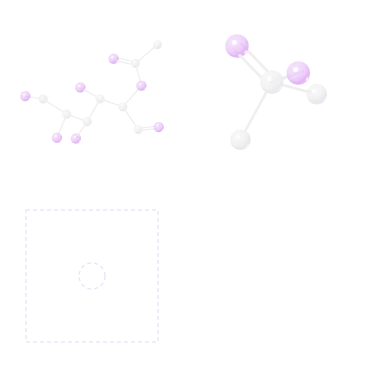
Named molecular components are shown separately. The deionized water and benzyl alcohol vehicle and the full formulation are not represented, and no combined molecule or measured blend structure is implied.
Calculated reference model · not an experimental or batch-certified structure. All 15 atoms shown.
Model data & sources
- The CAS-mapped source record depicts the open-chain form; ring and anomer forms in solution are not represented.
- Heavy atoms only; hydrogens are omitted from the reference display.
- Source-defined stereochemistry is checked against the calculated coordinates; no energy-minimum, crystal or solution-structure claim is made.
- Reference molecular species only; batch identity, purity, counterions and excipients are not certified.
- Formula
- C8H15NO6
- Method
- RDKit ETKDGv3 / MMFF94s calculated reference conformer
Glucosamine (JNT)
Glucosamine (JNT)
Glucosamine (JNT) is a compounded multi-component aqueous solution formulated specifically for laboratory and analytical research. By integrating N-Acetyl-D-Glucosamine with chondroitin sulfate and methylsulfonylmethane (MSM), this solution creates a specialized matrix for investigating glycosaminoglycan biology, extracellular matrix (ECM) architecture, and connective tissue research models.
Additional Properties
| Property | Specification |
|---|---|
| Primary Compound | N-Acetyl-D-Glucosamine |
| Appearance | Clear, colorless solution |
| Preservative | 1% Benzyl Alcohol |
Formulation Composition (Amount per mL)
Each milliliter of the formulation is calibrated for reproducible dosage in controlled research settings:
| Component | Concentration (per mL) | Function within Matrix |
|---|---|---|
| N-Acetyl-D-Glucosamine | 150 mg | Structural unit for glycosaminoglycans |
| Chondroitin Sulfate | 40 mg | Cartilage structure and hydration |
| Methylsulfonylmethane (MSM) | 40 mg | Sulfur donation and connective tissue support |
Research Applications & Mechanism of Interest
The formulation is evaluated as a combined matrix, with each component contributing to distinct research-relevant biochemical pathways.
Primary fields of in vitro laboratory investigation include:
-
Glycosaminoglycan & Proteoglycan Synthesis: Studying the metabolic precursors required for the formation of extracellular matrix components.
-
Connective Tissue & Cartilage Models: Evaluating structural carbohydrate metabolism and matrix organization.
-
Matrix Biology: Investigating the interplay between amino sugars, sulfated glycosaminoglycans, and organosulfur compounds in structural tissue models.
Storage & Handling Guidelines
Storage after receipt: refrigerate at 2-8 °C. Do not freeze. Refrigeration is a post-receipt storage condition, not a transit requirement.
Storage guidance is a house recommendation. Analytical documentation is per-lot release testing.
Related Research Compounds
Research Use Only Disclaimer: This product is labeled and sold "For Research Use Only — NOT FOR HUMAN CONSUMPTION." It is not a drug, dietary supplement, food, cosmetic, or medical device, and it is not approved by the FDA or any other regulator for human or veterinary use. It is supplied to approved account holders as a research chemical for laboratory use and must be handled in accordance with applicable law.